Chapter 6: Database Design
6.2 Database Schema
Database Schema represents the logical structure of the DuoCodo platform database, showing tables, columns, data types, constraints, and relationships. This detailed schema design ensures optimal performance, data integrity, and supports all platform functionalities.
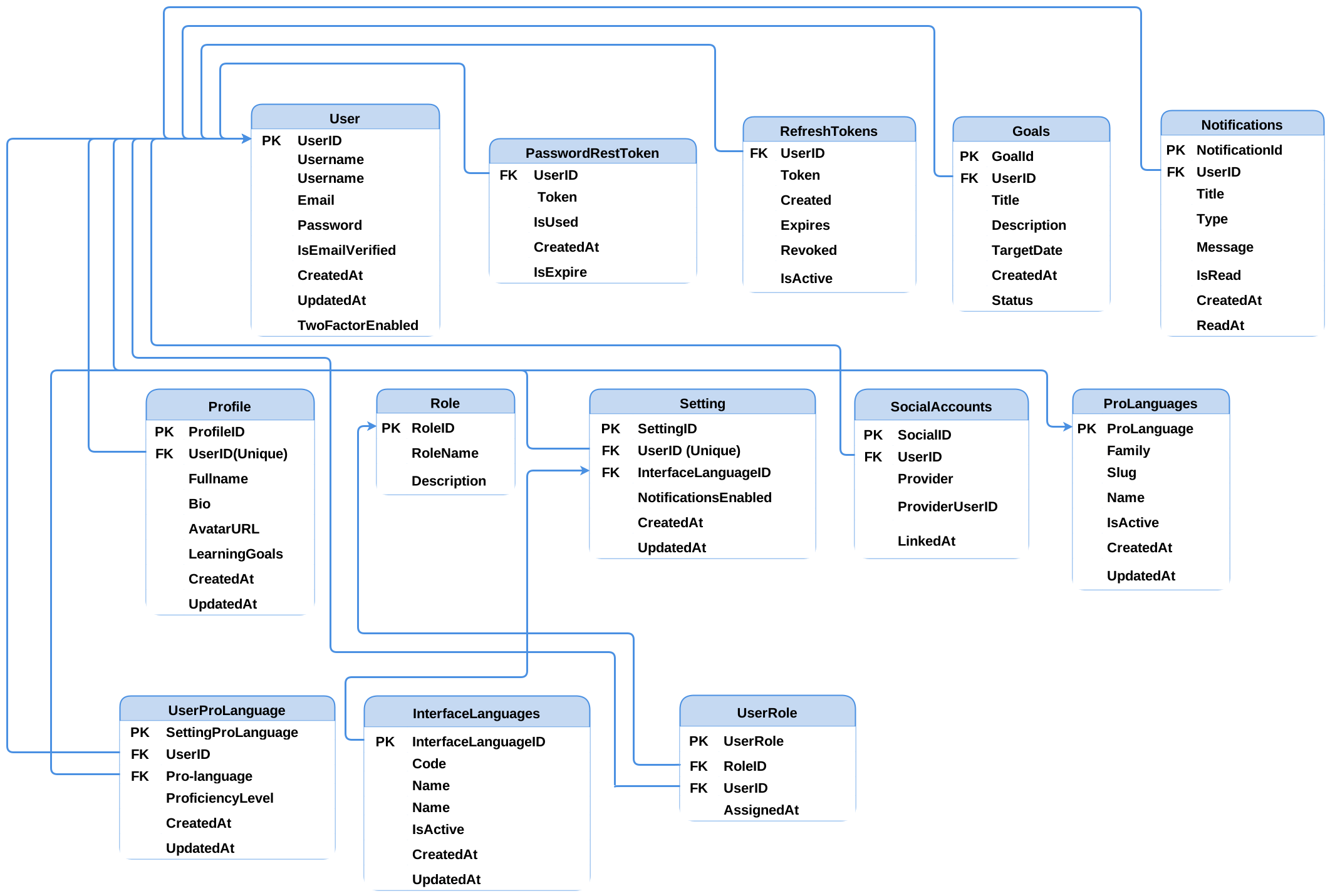
Part 1: User Management and Authentication
This section presents the database tables for user management, including user accounts, roles, authentication mechanisms, and profile information. It establishes the foundation for user identity and access control with detailed field specifications.
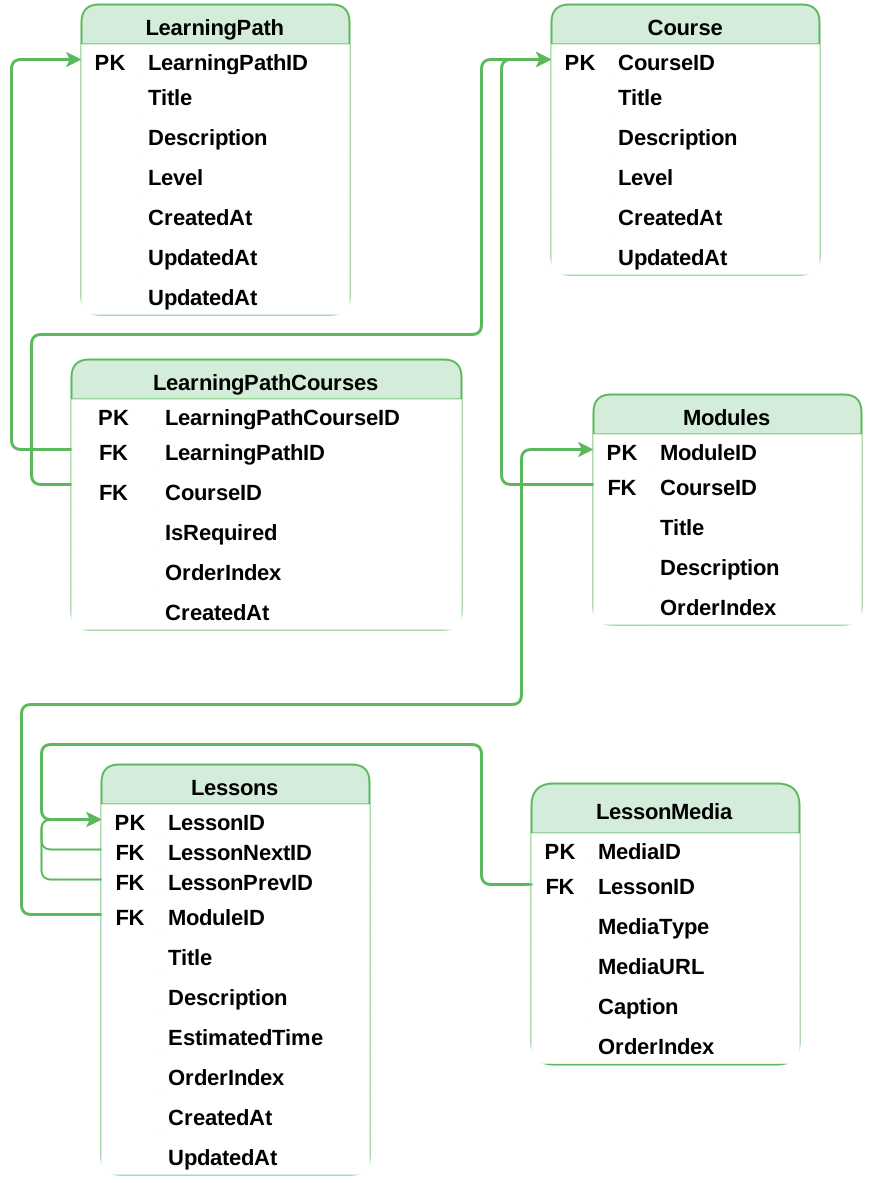
Part 2: Learning Content and Course Structure
This section illustrates the database tables related to educational content organization, including courses, lessons, modules, exercises, and learning paths. It shows how content is structured and stored within the database with proper data types and constraints.
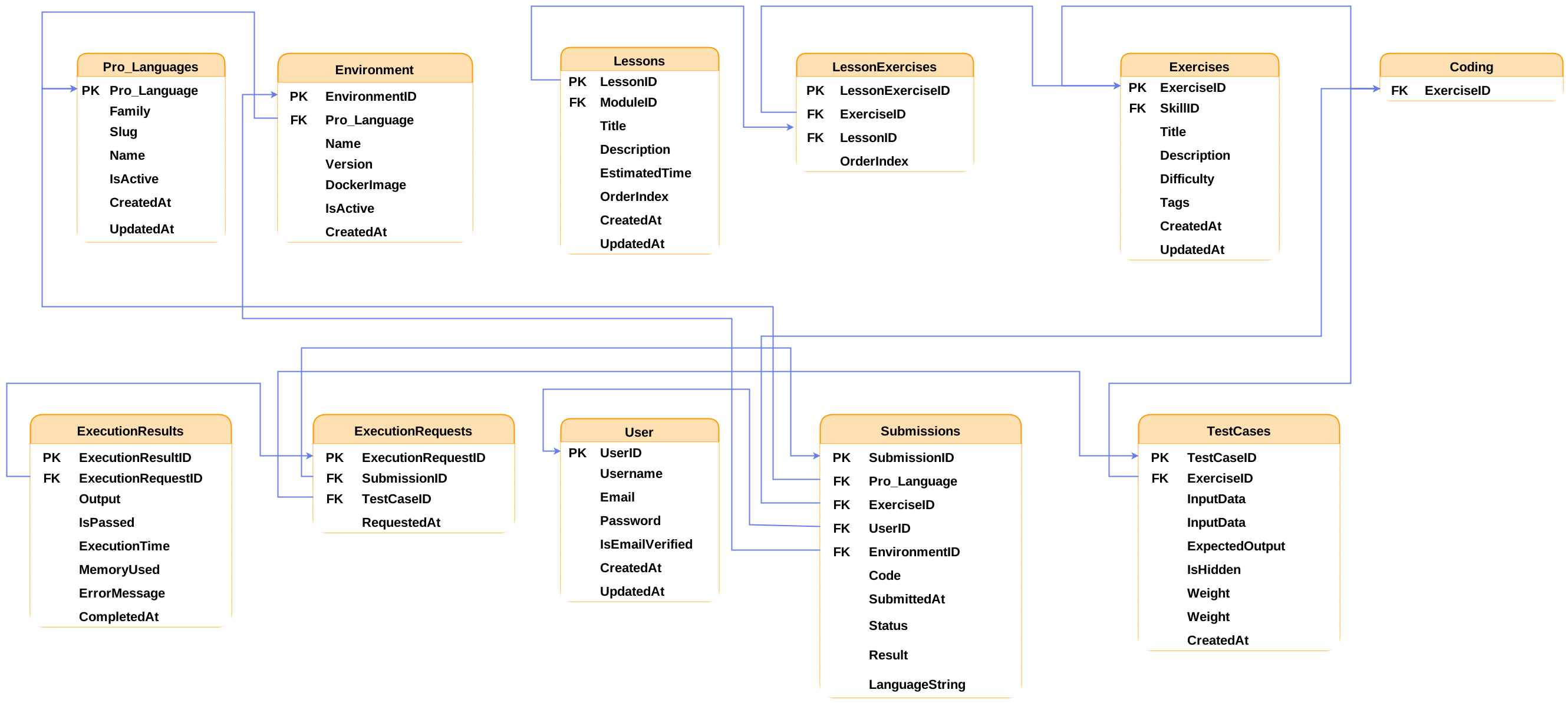
Part 3: Submission and Code Execution
This section demonstrates the database tables that track submission and code execution. It shows how the platform stores and manages gamification elements with appropriate indexing.
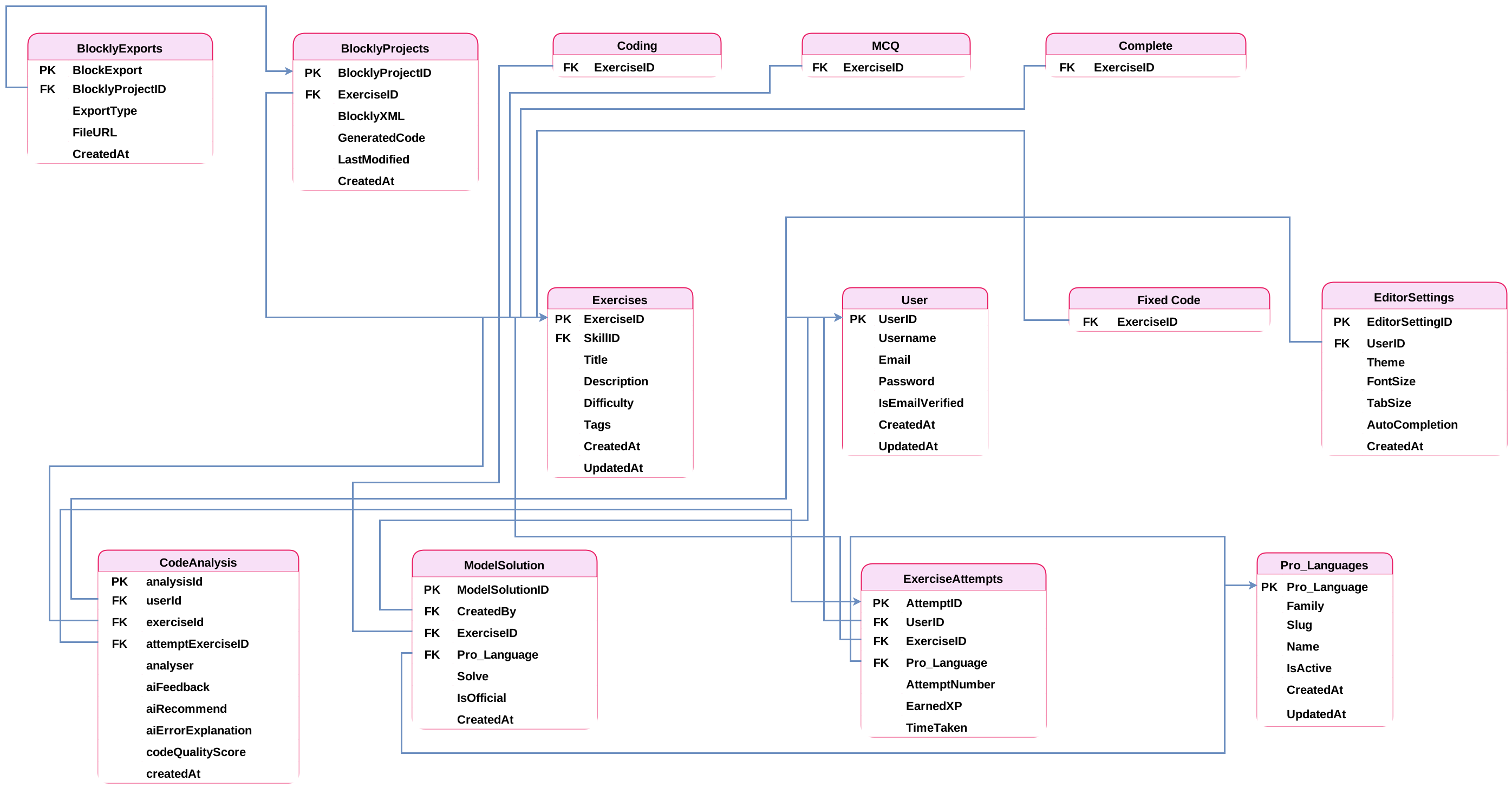
Part 4: Exercises, Attempts and Code Analysis
This section shows the database tables for exercises, attempts and code analysis. It demonstrates how the platform stores evaluation data and manages credentials with proper validation constraints.
Part 5: Certification and Gamification
This section presents the database tables that enable certification and gamification, including comments, discussions, friend connections, notifications, sharing, and community engagement features with optimized query structures.
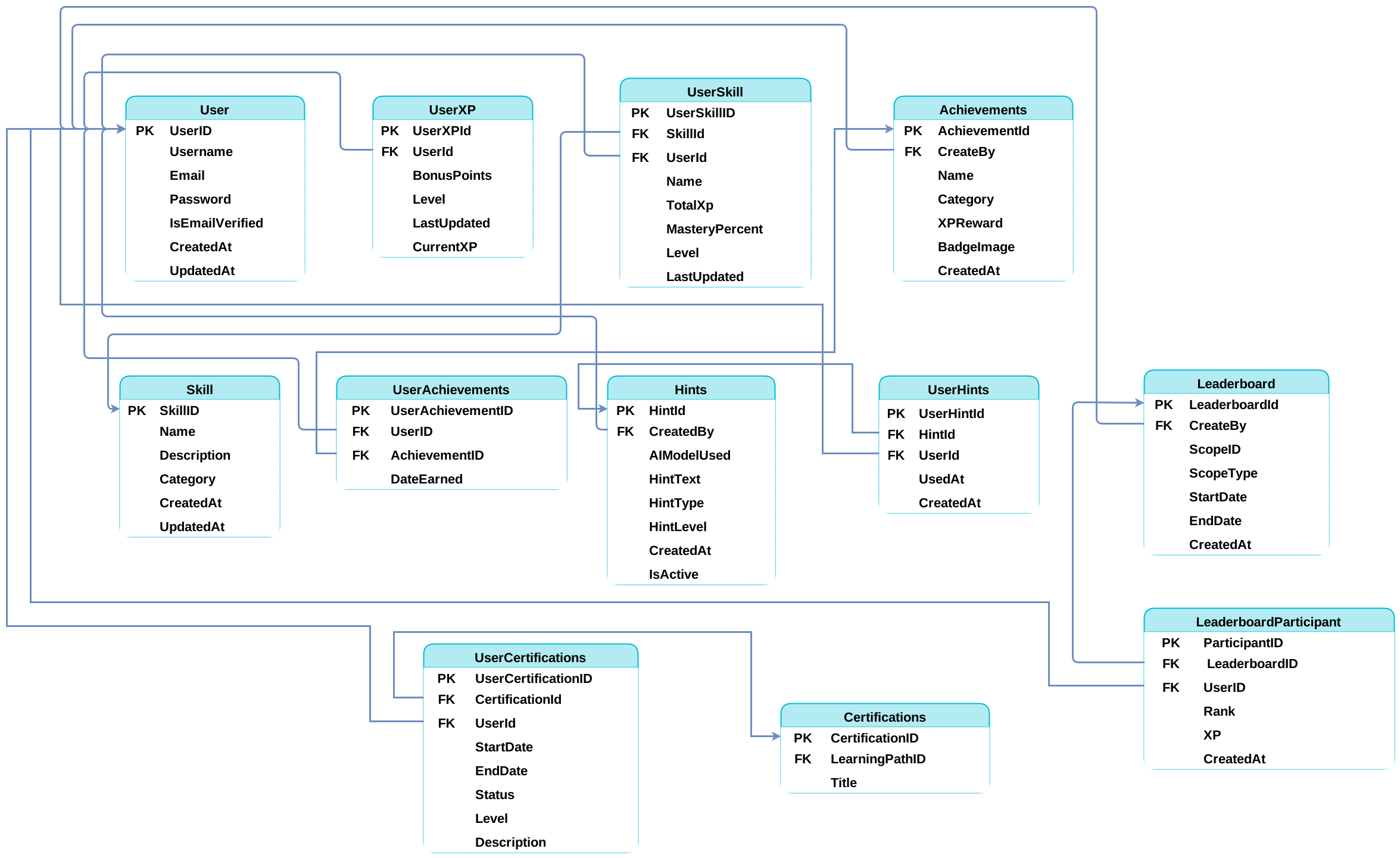
Part 6: Administration and System Management
This section illustrates the database tables for platform administration, including system logs, analytics, content moderation, reports, backups, and monitoring capabilities with appropriate data retention policies.
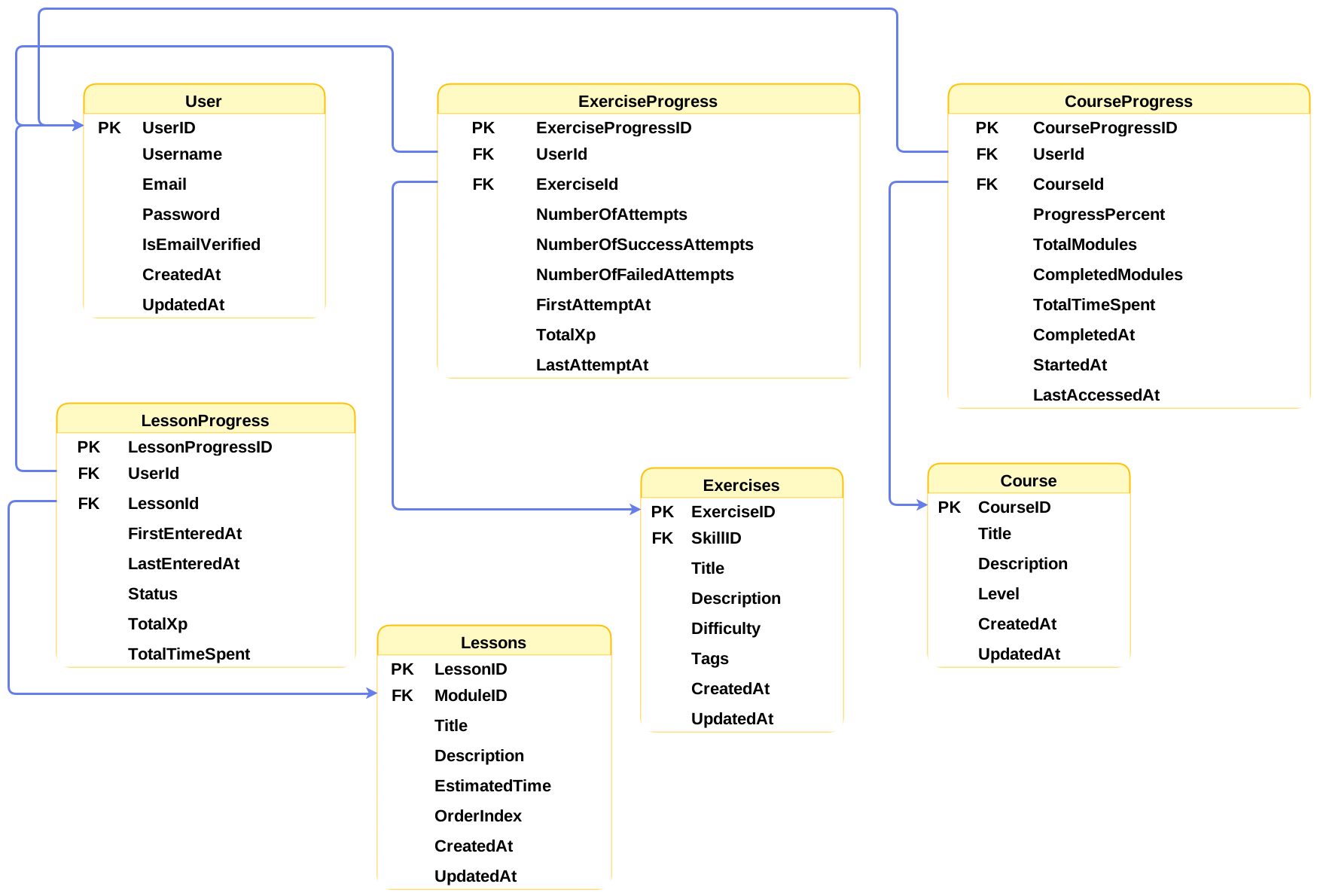
Database Schema Specifications
The database schema implementation follows these key specifications:
- Data Types: Appropriate data types chosen for optimal storage and performance
- Constraints: Primary keys, foreign keys, unique constraints, and check constraints ensure data integrity
- Indexing: Strategic indexes on frequently queried columns for optimal performance
- Normalization: Tables normalized to 3NF (Third Normal Form) to eliminate redundancy
- Referential Integrity: Foreign key relationships maintain consistency across related tables
- Security: Sensitive fields include encryption specifications and access control measures
- Scalability: Schema design supports partitioning and sharding for future growth
- Backup Strategy: Tables include timestamp fields for incremental backup operations
This detailed schema provides the implementation blueprint for the DuoCodo platform's database, ensuring robust data management and optimal query performance across all system components.